Children’s Wear Safety Regulations: What Pakistani Garment Exporters Must Test and Certify
Why Children's Wear Has the Strictest Safety Requirements
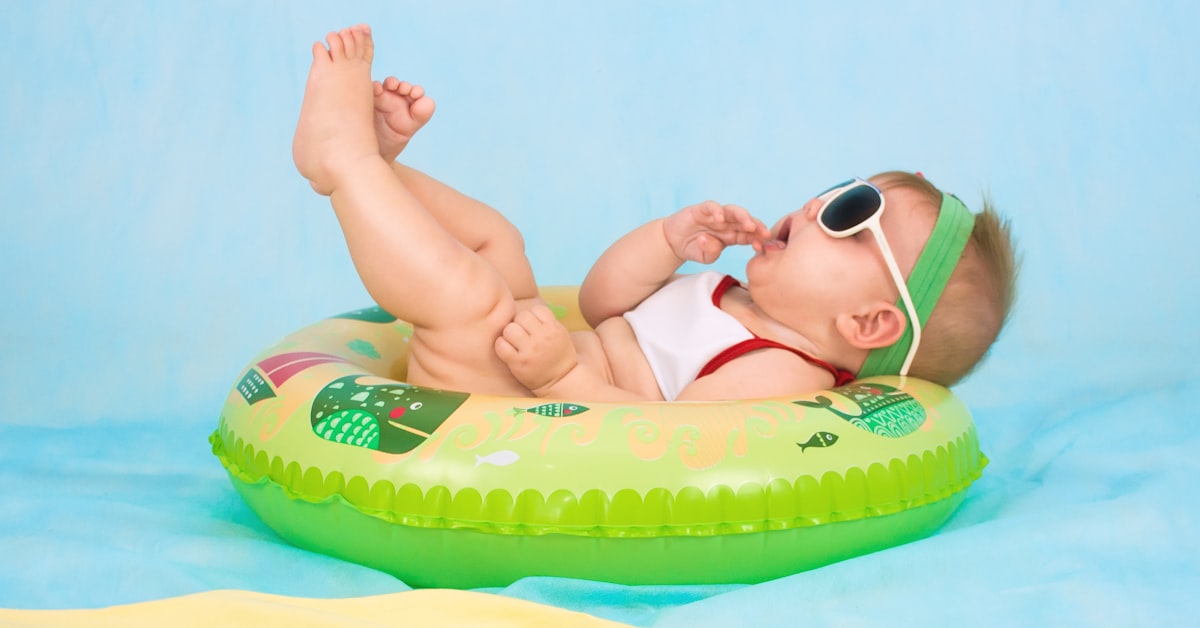
Children are not small adults when it comes to textile safety. Children under 36 months actively mouth fabrics and accessories; their skin barrier is thinner and more permeable; their detoxification systems (liver, kidneys) are immature; and pound-for-pound, they absorb more chemical per body weight than adults. This is why EU, US, and Oeko-Tex regulations all apply significantly stricter limits to children's products — and why a garment that passes adult RSL requirements may still fail children's wear limits.
For Pakistani exporters, children's wear represents approximately 18–22% of total garment exports to the EU and UK by value. It is also the category with the highest rate of product safety recalls — the EU RAPEX (Rapid Alert System) database shows children's clothing consistently among the top three product categories for safety notifications, with chemical hazards and mechanical hazards (drawstrings, cords) dominating the alerts.
Key Children's Wear Regulations
Replaced GPSD from December 2024. Requires mandatory risk assessment for all consumer products including children's garments. All products must be traceable (manufacturer, importer, batch). Market surveillance authorities can require immediate withdrawal.
The most frequently cited mechanical safety failure. EN 14682 specifies maximum free cord lengths, prohibits hood cords on outerwear for children under 7, and requires free ends (toggles) to not exceed 75mm. A single non-compliant cord can result in market ban.
Formaldehyde: not detectable. pH: 4.0–6.0. Heavy metals, azo amines, PFAS at stricter limits. Saliva fastness tested in addition to standard parameters. Class I is the most demanding Oeko-Tex product class.
Children's sleepwear for sizes 0–14 must be flame resistant (FLAMMABILITY TEST: FF 3-71) or close-fitting (tight-fitting exempt). This is a US-specific requirement not required for EU, but critical for US export.
EU RAPEX Children's Textile Alerts: Most Common Failure Reasons
Free cord length exceeds standard, or hood cords present on garments for children under 7. Most common single recall reason for children's garments in EU.
Lead and cadmium in zippers, buttons, snaps, and print pigments. Accessories are frequently overlooked — testing the fabric only is not enough for children's wear.
Non-compliant azo dyes used in printing or overdyeing. Particularly common in brightly coloured garments for toddlers where cost pressure leads to substitution of dyes.
EN 71-1 small parts test: buttons and decorative elements must withstand torque and pull tests without detachment. Choking hazard for under-3 garments.
Further Reading
Ready to ship to the EU with confidence?
Send us your product and Tti will issue ILAC MRA accredited test reports — accepted at EU customs, ZDHC Gateway, and major brand RSLs. Lahore and Karachi.